
How to Build a SaaS MVP with Lovable in 2026
Building a SaaS startup used to require large development teams, months of engineering work, and significant funding.
In 2026, AI-powered development platforms like Lovable are dramatically reducing the time required to launch MVPs and validate startup ideas.
Founders can now generate interfaces, workflows, dashboards, and application logic using natural language prompts and AI-assisted development.
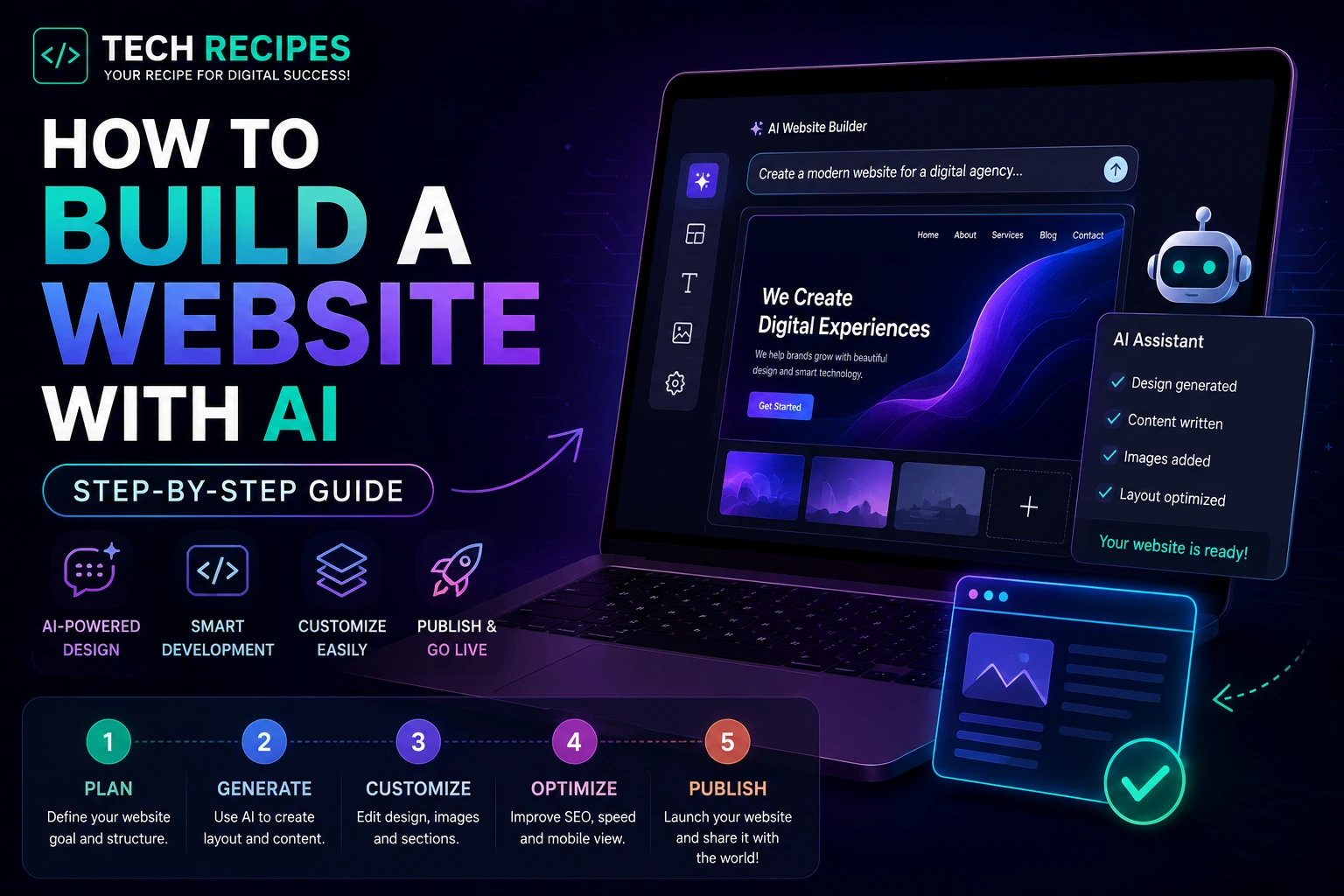
In this guide, we will show you exactly how to build a SaaS MVP with Lovable step by step.
What is Lovable?
Lovable is an AI-powered app builder focused on rapid MVP creation and beginner-friendly development workflows.
Users can generate applications using prompts instead of writing large amounts of code manually.
Lovable focuses heavily on:
- Fast prototyping
- Modern UI generation
- Startup MVP workflows
- AI-assisted app building
- Beginner-friendly development
Why Build an MVP First?
One of the biggest startup mistakes is building too much before validating demand.
An MVP (Minimum Viable Product) helps founders:
- Test ideas quickly
- Reduce development costs
- Validate market demand
- Collect user feedback
- Improve products iteratively
AI tools like Lovable dramatically accelerate this process.
Step 1: Define Your SaaS Idea Clearly
Before opening Lovable, define:
- Your target audience
- The problem you solve
- The simplest possible solution
- Your core MVP feature
Many founders fail because they try to build too many features too early.
The strongest MVPs focus on solving one clear problem extremely well.
Step 2: Plan Your Core MVP Features
Most SaaS MVPs only need:
- User authentication
- A dashboard
- Core functionality
- Basic settings
- Payment integration
- Simple onboarding
Avoid:
- Complex admin systems
- Advanced analytics
- Too many integrations
- Enterprise features
- Premature scaling infrastructure
Early-stage startups often overbuild instead of validating quickly.
Step 3: Generate Your SaaS UI with Lovable
Lovable can generate application layouts using prompts.
Example prompt:
Build a modern SaaS dashboard for an AI content generation platform with user login, sidebar navigation, pricing page, and dark mode interface.
Lovable can generate:
- Dashboards
- Landing pages
- User onboarding flows
- Pricing sections
- Navigation systems
- Settings pages
- Modern UI layouts
Step 4: Customize the Generated Design
AI-generated layouts should always be customized.
Improve:
- Branding
- Colors
- Typography
- Feature positioning
- User experience
- Navigation clarity
Generic AI-generated interfaces often look similar across many projects.
Strong branding and positioning still matter significantly.
Step 5: Build the Core User Workflow
Your MVP should focus heavily on one successful user flow.
Example SaaS workflows:
- User signs up
- User creates first project
- User experiences the core feature
- User sees value quickly
Many SaaS products fail because onboarding is confusing or overloaded with features.
Step 6: Add Backend Logic
Most SaaS applications require:
- User accounts
- Database storage
- Authentication
- Subscription systems
- API integrations
Lovable can help generate backend workflows, but many startups still combine it with:
- Supabase
- Firebase
- Stripe
- Replit
- Cursor
This hybrid workflow is becoming very common in modern AI-assisted startups.
Step 7: Add Payments
Most SaaS MVPs eventually need subscriptions or payments.
Stripe remains one of the most popular solutions for:
- Monthly subscriptions
- Usage billing
- Checkout pages
- Customer management
Many founders delay monetization too long instead of validating willingness to pay early.
Step 8: Test Your MVP Quickly
Do not wait for perfection before launching.
The goal of an MVP is learning, not perfection.
Before launch:
- Test onboarding
- Fix critical bugs
- Improve responsiveness
- Verify payment flows
- Test mobile layouts
Step 9: Launch & Collect Feedback
After launching:
- Collect user feedback
- Track behavior analytics
- Watch onboarding drop-offs
- Identify feature requests
- Measure retention
Most successful SaaS products evolve significantly after real user feedback.
Best AI Workflow for SaaS MVPs in 2026
| Task | Recommended Tool |
|---|---|
| UI generation | Lovable |
| Backend workflows | Supabase |
| Payments | Stripe |
| Advanced coding | Cursor |
| Rapid deployment | Replit |
| Frontend components | v0 |
Common Mistakes Founders Make
- Building too many features
- Skipping market validation
- Overcomplicating onboarding
- Ignoring user feedback
- Delaying monetization
- Relying blindly on AI-generated code
AI accelerates development, but product-market fit still matters more than coding speed.
Can Lovable Build a Complete SaaS?
Lovable can generate large parts of a SaaS MVP quickly, especially interfaces and initial workflows.
However, advanced scaling, infrastructure optimization, security, and custom backend systems may still require experienced developers.
The most successful founders use AI tools to accelerate iteration rather than completely replace engineering expertise.
Is Lovable Good for Non-Technical Founders?
Yes. Lovable is one of the most beginner-friendly AI app builders available today.
It allows non-technical founders to prototype ideas rapidly without building everything manually from scratch.
However, technical understanding still becomes important as products scale.
Final Thoughts
AI-powered app builders like Lovable are dramatically lowering the barrier to SaaS development in 2026.
Founders can now validate ideas faster, reduce development costs, and launch MVPs significantly quicker than traditional startup workflows.
However, successful SaaS businesses still depend on solving real problems, understanding users, and executing strong product strategy — not only AI-generated code.