An array is one of the fundamentals of almost any programming language. Whether you understand what it is or you just need to learn the syntax, the process of creating arrays in PHP is relatively straightforward.
The mount and unmount commands are not used with ZFS filesystems. The filesystem concept has changed with ZFS in which we are likely to see many more filesystems created per host. A ZFS pool can be taken offline using the zpool command, and a ZFS filesystem can be unmounted using the zfs command as described in this tech-recipe.
Anyone who has used DiskSuite to mirror drives in Solaris knows that, while not difficult, the multiple steps involved are fertile ground for (potentially devastating) heartache. This is not the case with ZFS. Creating a mirrored pool with ZFS makes DiskSuite look like rocket surgery.
ZFS will change the way UNIX people think about filesystems. How do you use fsck with a ZFS filesystem? The answer is that you do not. ZFS filesystems are always clean, so even in the worst case of a power outage bringing a system down, you will never be asked to give the root password for system maintenance again. With ZFS, data are always consistent on disk. For you worriers, there is a command you can use to make sure everything is okay with your filesystems.
Quotas limit the amount of disk space a filesystem can use. The traditional model of filesystems has changed with ZFS because of the introduction of pools. Each pool (which can be made up of a disk slice, a whole disk, or several disks) can have a jaw-dropping big number of filesystems created in a hierarchial manner. This tech-recipe describes the use of quotas with ZFS.
ZFS can compress data on filesystems. Some folks adamantly refuse to compress mounted filesystems, citing performance issues. While not every situation is appropriate, compression can increase system performance by improving IO at the cost of CPU. In most cases, disk IO, more than CPU, is rate determining. This tech-recipe describes turning on ZFS compression and checking its compression ratio status.
ZFS obsoletes many familiar filesystem maintenance commands. Creating a UFS filesystem involved partitioning a disk into slices (format), creating the filesystem (newfs), and mounting it (mount). ZFS does all of this in one simple command. This tech-recipe describes creating a ZFS pool which is the basic building block of filesystems created using ZFS.
The zpool command manages ZFS pools as shown in previous tech-recipes. Once a pool is created, its properties can been viewed with the list option of the zpool command.
Creating a basic if – then statement in flash or actionscript is easy. Here is the correct syntax.
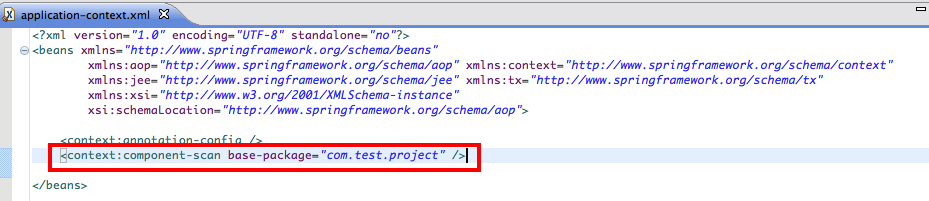
When configuring a Spring project, it is either necessary to write extensive amounts of XML configuration code or to write moderate amounts of XML configuration code and enable annotations. When annotations are enabled, Spring parses the project’s Java beans in order to find these annotations. This allows the developer to push some of the configuring to the Java bean code instead of keeping it all in the XML configuration file. This guide will show you how to enable annotations in Spring.
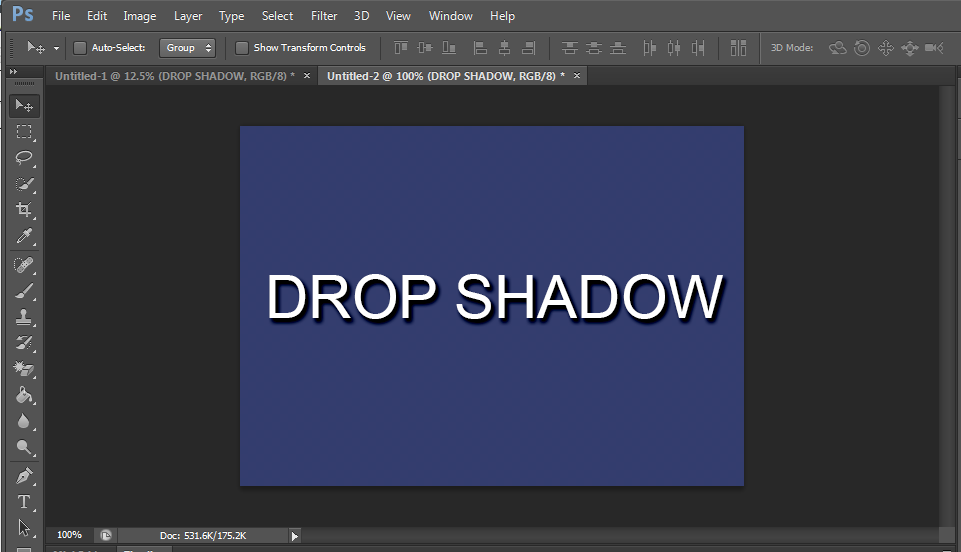
The drop shadow is a simple way to create very noticeable depth on objects in your project. This tutorial will show you how to apply it effectively. Your elements will stand out whether you are working with image layers or blocks of text.
By default, Internet Explorer will remember your browsing history, cookies, and saved passwords. Over time, too many entries will accumulate, which will make managing your history and saved passwords difficult. If you are sure your browsing history does not contain any important data, you can delete it and start from scratch again.
1...279280281...528Page 280 of 528
error: Content is protected !!